Read AI summary
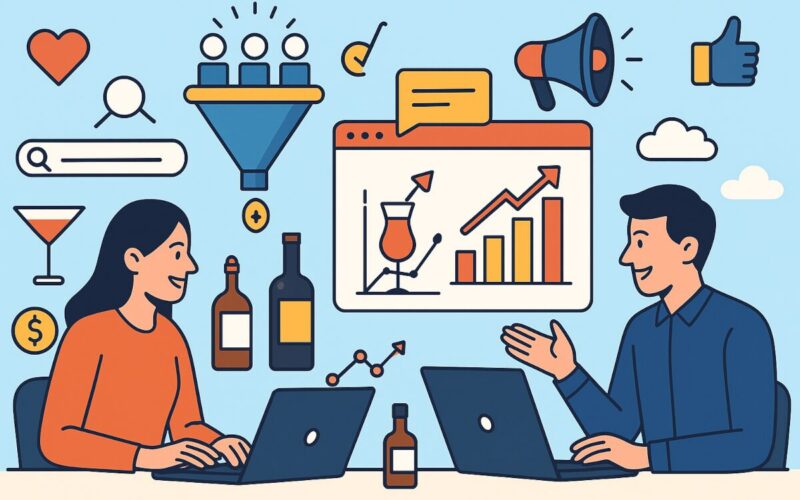
Alcohol marketing involves strategies focused on brand management, customer loyalty, and, of course, boosting sales. Various channels are used to reach consumers, both traditional and digital.
Each industry has its complexities, and alcoholic marketing is no exception. In addition to being highly competitive, it faces legal restrictions specific to each country and different sales channels, which shape how campaigns are developed. This calls for a careful and creative approach that promotes not just a product, but a lifestyle. In other words, a 360° solution.
In this article, we’ll explore the impact of marketing on this sector, the challenges, memorable campaigns, and more. Keep reading to discover the journey a bottle takes to reach the consumer’s table.
Looking for a shortcut? At MD Marketing Digital, we can help you develop a comprehensive campaign tailored to your needs.

Importance of marketing in the alcoholic beverage industry
The alcoholic beverage industry is a constantly expanding sector, expected to reach USD 5.716.2 trillion by 2032. It’s a complex field, where major brands dominate the market, but where small and medium-sized producers can still find their place on the shelves. How? Through a strong marketing campaign that imprints their name in the consumer’s mind.
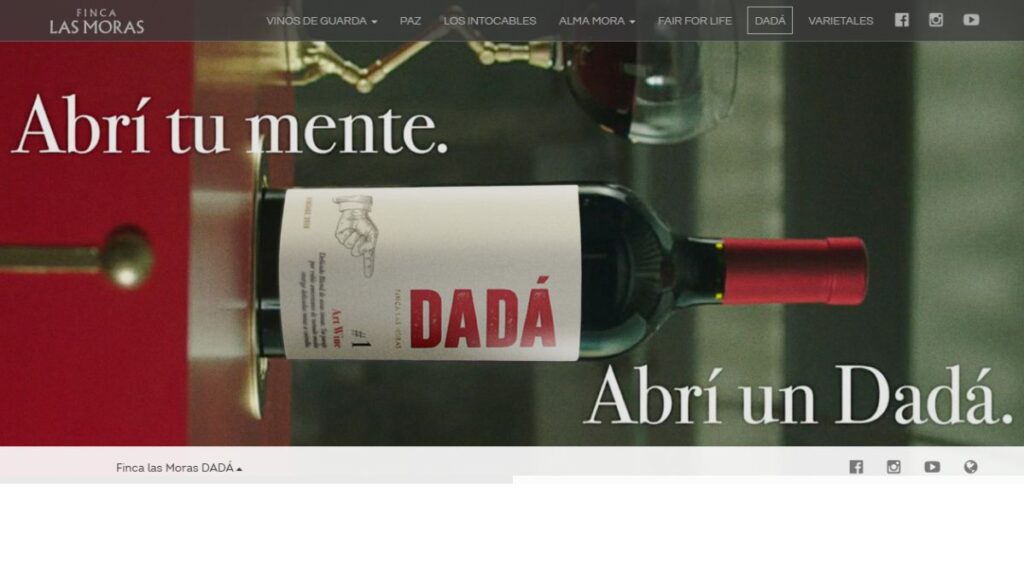
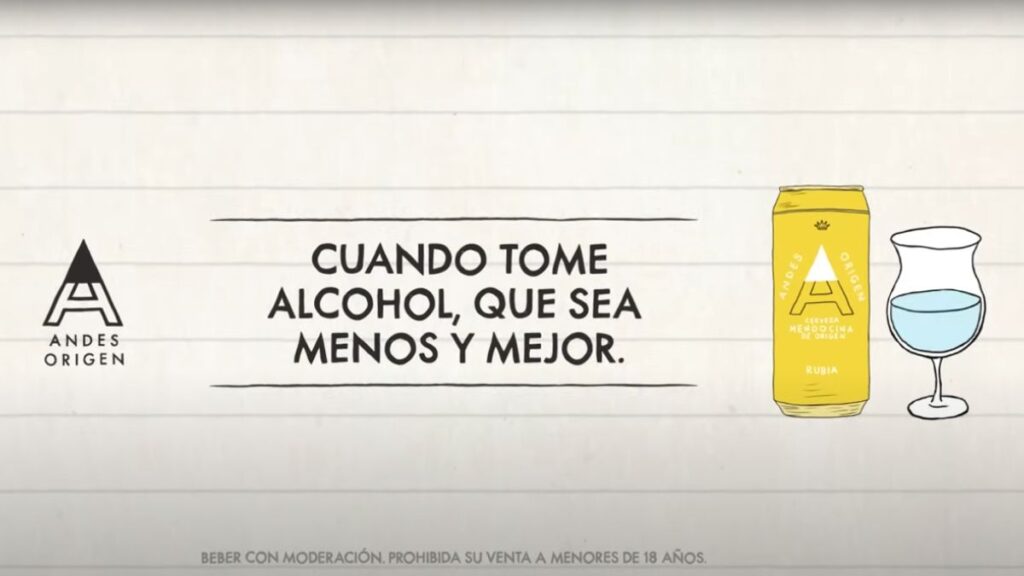
And you don’t need the production budget of Quilmes or Sprite commercials from the 2000s to achieve it. Sometimes, a simple slogan that captures a value proposition is enough. Say “drink less, drink better,” and you know what we’re talking about — not to mention “open your mind, open a Dadá” or “Red Bull gives you wings.”
Although, speaking of Red Bull and the lawsuit they faced a few years ago… there are a number of requirements that beverage marketing—alcoholic or not—must meet, not only to advertise products but also to avoid legal complications.
Regulations vary depending on the country, and in the United States, also by state. In Argentina, we have Law 27.642 on Front-of-Package Labeling and Law 24.788 on the Fight Against Alcoholism.
Law 27.642 directly affects product packaging. Law 24.788 also regulates the information shown on packaging, alcohol consumption at public events, and prohibits alcoholic beverage advertisements that:
- Target minors under 18 or show minors drinking.
- Present alcohol as a stimulant for sexuality, violence, or physical and intellectual performance.
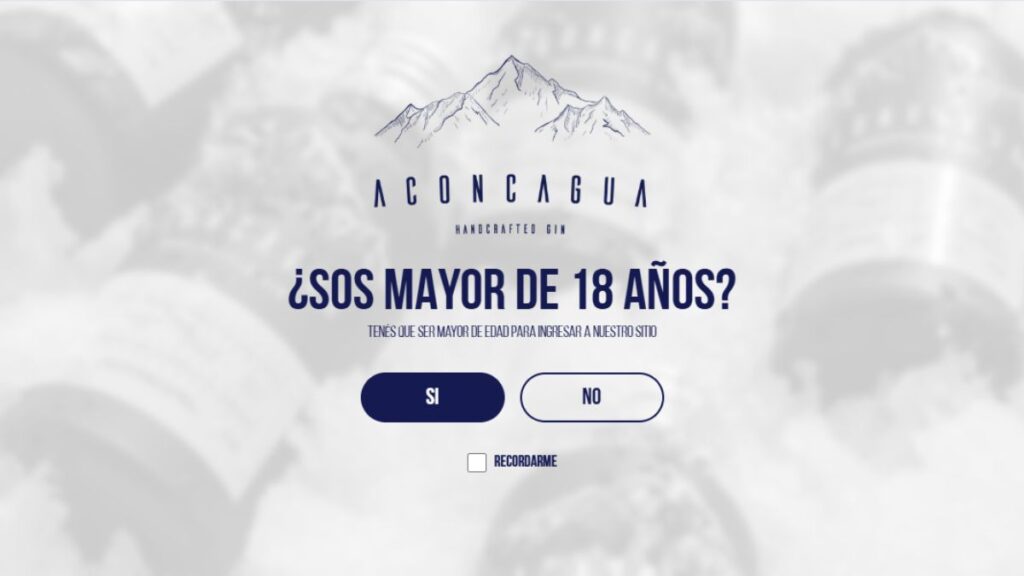
- Do not include the phrases “Sale prohibited to minors under 18” and “Drink in moderation.”
Alcohol Marketing Strategies
Each campaign is a world of its own. However, there are some alcohol marketing strategies that remain relevant and are valid for both traditional advertising and digital marketing. Ready to discover them?
👉 Want to learn the best digital marketing strategies for real estate agencies? Read our latest blog post!
Branding and storytelling to connect with the consumer
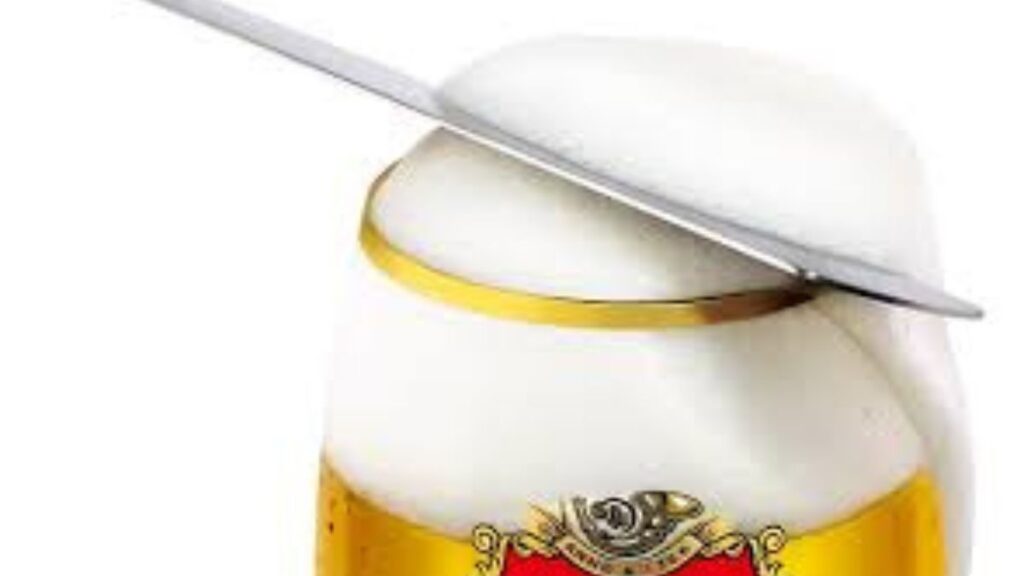
We connect with a product through the senses, through the stories it promises. The red wine pouring in slow motion; a knife slicing through the foam of a beer glass; a gin that captures the sounds of the mountains… Alcoholic beverage brands know how to tempt us and, more importantly, how to weave what makes our mouths water into their identity.
When done right, branding for alcoholic beverages considers the different channels through which a brand interacts with its customers to create a distinctive image and voice. A consistent message must be conveyed—from packaging and social media posts to video ads and website design.
But that’s only half of it. To connect with the consumer, it’s crucial to tell a story they can identify with—either from their reality or from their desires. Storytelling, especially when it integrates sensory elements with brand values, leads to memorable ads that resonate with both new and longtime customers alike.
Digital marketing and social media
Social media is constantly evolving. It used to be just a communication tool; now, 75% of internet users use social platforms to research brands and products. This places social media marketing at the heart of conversion generation.
Alcohol marketing on social media also allows you to interact directly with your customer base to receive firsthand feedback, share updates or cocktail tutorials, and, most importantly, promote live events that showcase your brand.
Instagram, TikTok, X, and other platforms combine paid advertising with optimized content, in a dynamic format designed to reach consumers with few words and powerful visuals. Campaigns that create trends—or join them—show users how your products can become part of their lifestyle.
Influencer marketing in alcoholic beverages
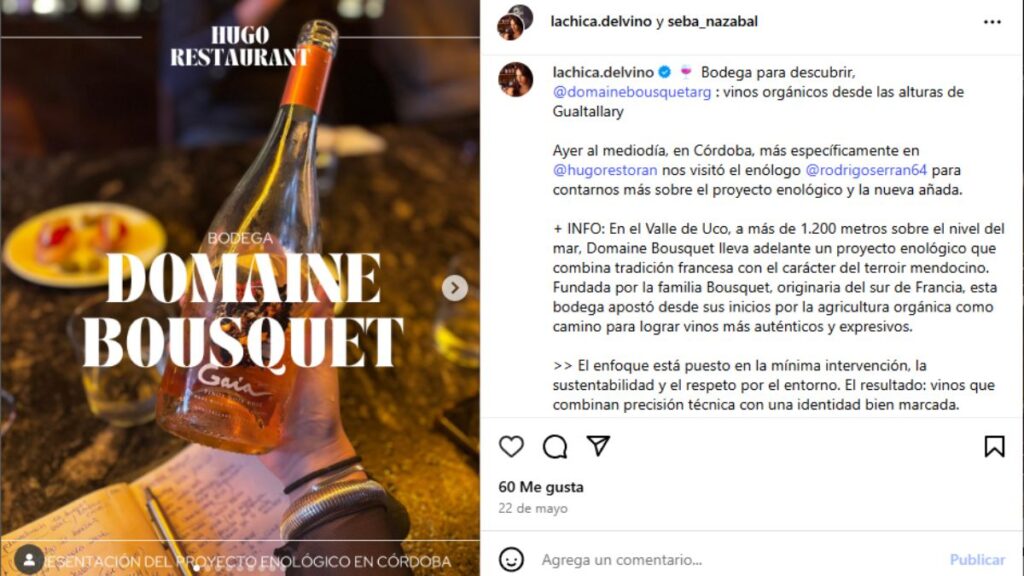
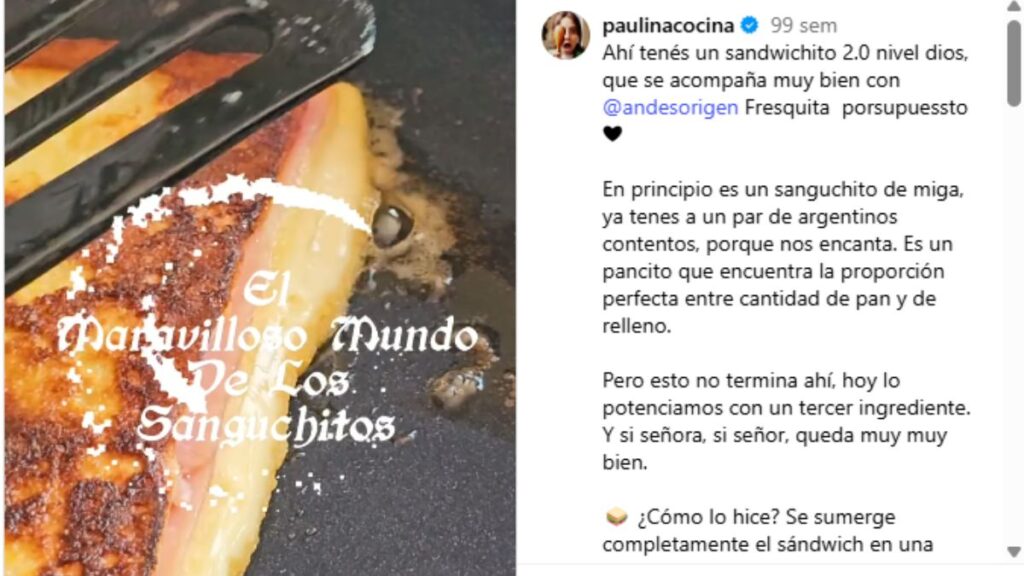
Influencer marketing is one of the main differentiators in social media advertising. Paid collaborations or product exchanges expand your brand by leveraging the reputation and followers of the influencer you work with.
To maximize its benefits, it’s important to choose an influencer whose audience aligns with your target market. A campaign with a nano-influencer compatible with your brand will generate more engagement and new customers than one with a macro-influencer whose followers aren’t interested in the topic.
How do you know which influencer to choose? Start by asking yourself if they:
- Create content recommending alcoholic beverages or related topics.
- Most of their followers are part of your target audience.
- They have good engagement levels and a solid reputation.
- Has experience creating promotional content.
- Fits within your budget.
Once you’ve answered these questions, you’ll be able to narrow down the list of potential influencers, evaluate their proposals, and collaboratively design a campaign that boosts your brand.
Point-of-sale strategies and live experiences
Alcohol marketing often focuses on promising an experience to the customer, but it can also take things to the next level by offering it directly. How? Through activation events in bars, tastings, and festivals.
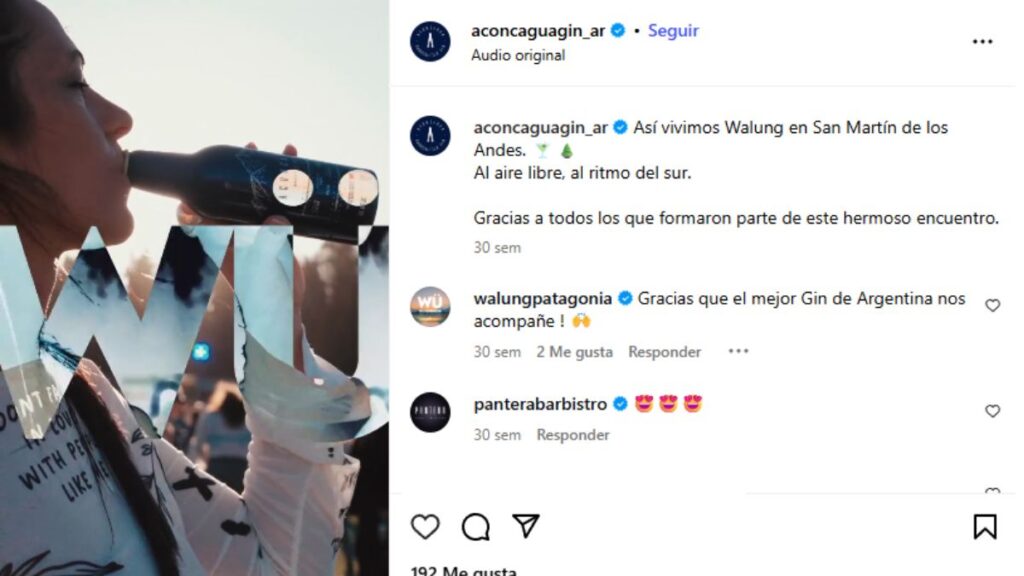
Sponsoring a festival, liquor store, or bar—or organizing an open tasting—encourages potential customers to take the first step: try what you offer. By associating your products with a positive experience, it helps boost brand recall and, as a result, sales.
Packaging also works as an alcohol marketing strategy. Through the packaging, you can reinforce brand identity, add value to your product, and target a specific audience. The best example? Absolut, with its bottles inspired by old pharmacy remedy containers.
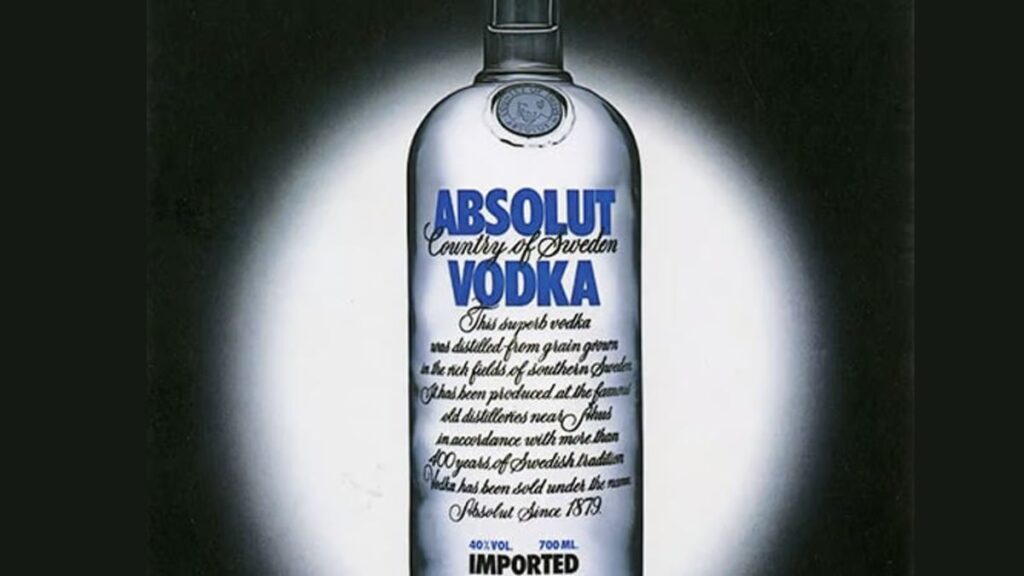
Limited editions or collaborations with other brands also capture consumers’ attention, creating a sense of urgency that drives sales. These types of product launches are often done live to maximize the campaign’s reach.
As for alcohol digital marketing, the strategies applied at the point of sale often focus on enhancing the user’s shopping experience to make it easier. They also include the development of targeted campaigns to boost new launches with paid ads and landing pages optimized for organic search.
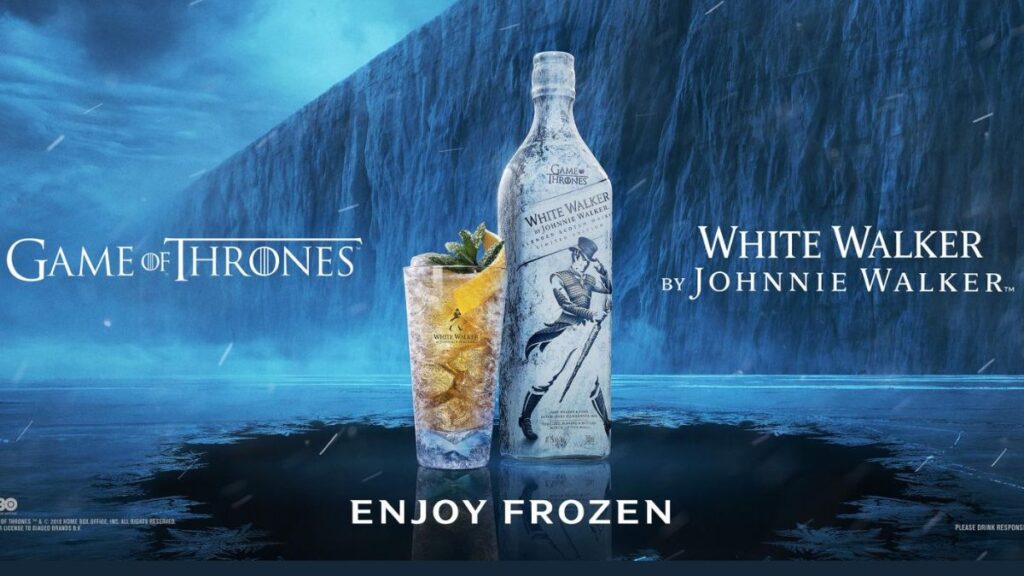
Current trends in alcoholic beverage marketing
Alcoholic beverage advertising has evolved over the years. On one hand, it shifted from traditional marketing to digital. On the other, new values have gained importance. Currently, some of the most important trends in the industry include:
- Online sales. More and more consumers are buying through delivery apps or e-commerce platforms. An optimized online store allows them to discover your products and purchase them quickly and easily.
- Healthy lifestyle. Moderate consumption with a focus on product quality is now a priority. Ads no longer show wild parties but rather calm moments where each sip is savored.
- Signature cocktails and recipes. Collaborating with content creators to incorporate your beverage into original recipes helps organically expand your product’s value.
- Craft production. Since the rise of craft beer, there’s been growing focus on sustainability and small-scale production. Premium products—especially gin—are experiencing steady growth expected to continue through 2030.
Success stories and industry takeaways
Years ago, Absolut changed its bottle as part of its marketing strategies. Today, what are brands doing? Let’s take a look.
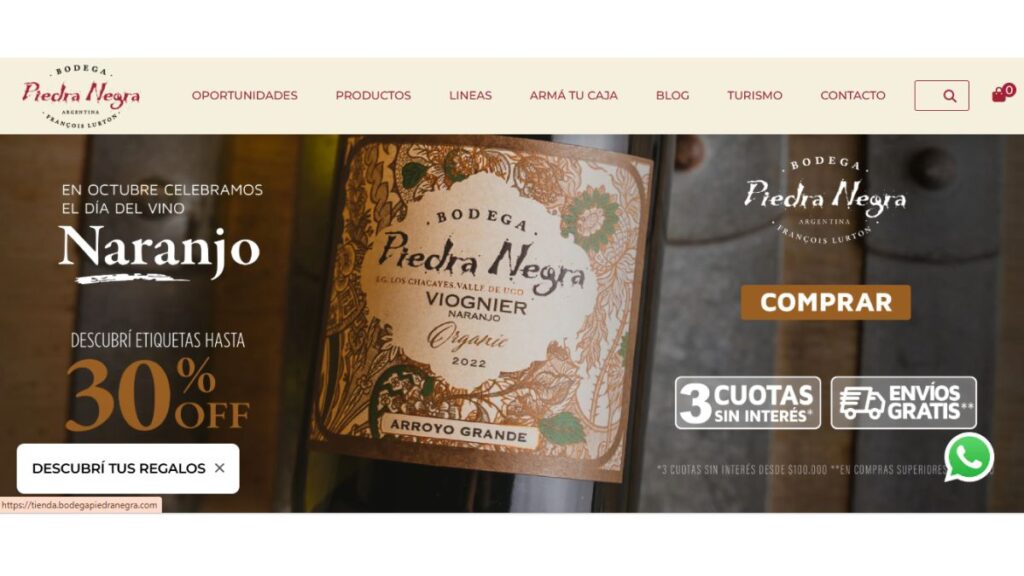
1. Ecommerce – Piedra Negra Winery
In 2020, Piedra Negra winery developed a virtual store as part of its comprehensive digital marketing strategy. This allowed them to expand their customer base across the country and boost seasonal sales through online events like CyberWine.
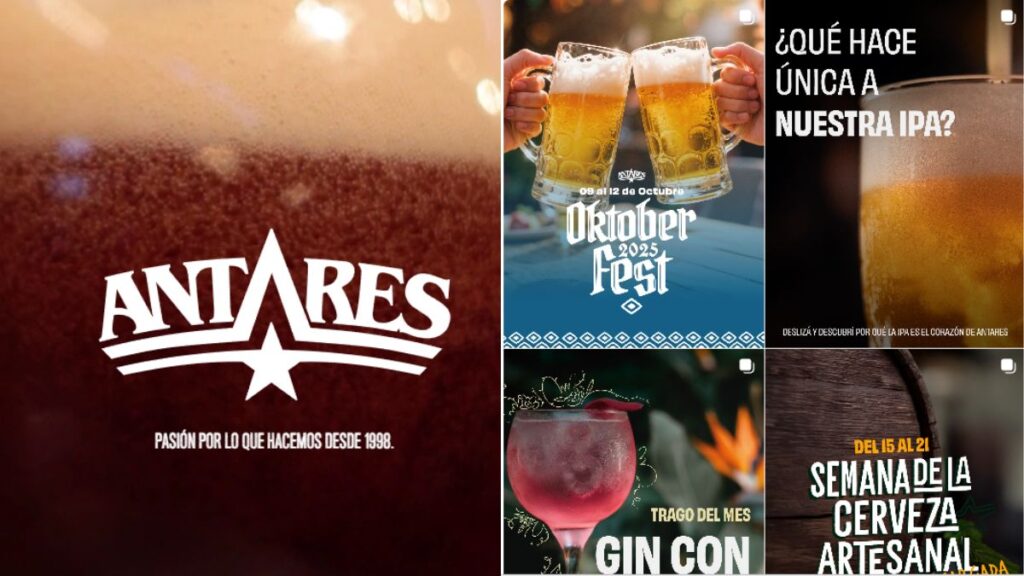
2. Social media + live experiences – Antares
Antares, a brewery from Mar del Plata, managed to expand across the country through a combination of social media storytelling, visibility at events, and, most importantly, presence at various points of sale. In addition, the brand has a website (accessible only to adults) where users can learn more about its offerings and even make online purchases.
3. Storytelling – Branca
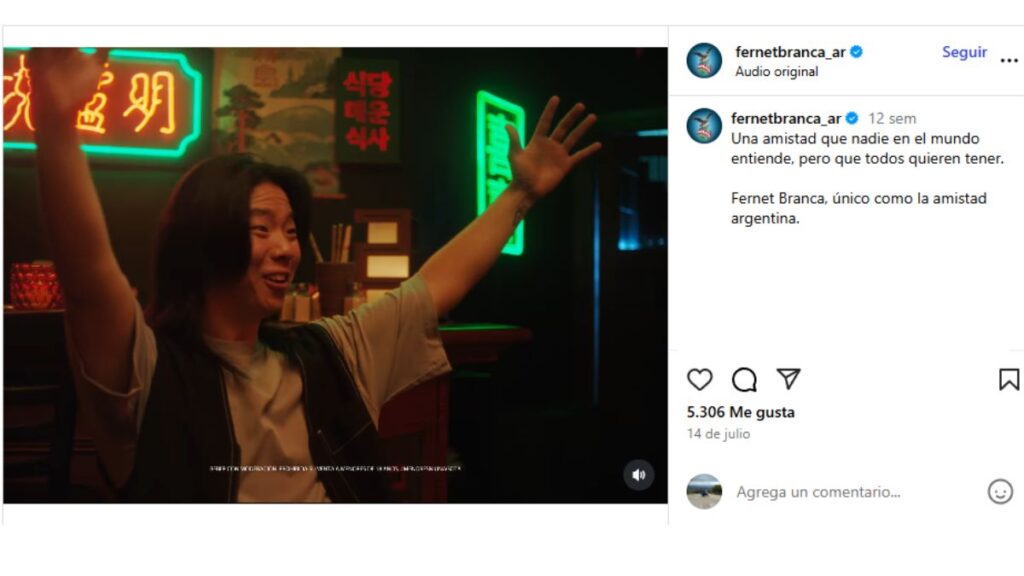
Lastly, there’s Branca. Although it’s an already established brand in Argentina and worldwide, campaigns like “unique like Argentine friendship” strongly resonate with its target audience. In 2024, fernet was the third most consumed alcoholic beverage in the country, accounting for over 80% of global consumption.
Frequently asked questions about alcohol marketing
Questions about alcohol marketing strategies? We’ve got the answers. If your question isn’t on this list, write to us in the comments. We’re listening!
What is alcoholic marketing?
Alcoholic marketing encompasses various advertising and brand management activities aimed at promoting a product or service and building a lasting relationship with customers. Today, it includes both digital and traditional marketing strategies.
Unlike other sectors, marketing for alcoholic beverages is strictly regulated (in Argentina, by Laws 27.642 and 24.788). Additionally, campaigns often incorporate storytelling strategies with sensory elements to reinforce brand identity and resonate with their target audience.
What are the most effective marketing strategies for beverages?
Some of the most widely used alcohol marketing strategies in 2025 include:
- Branding – Developing and managing your brand image across various platforms and communication channels.
- Influencer marketing – Collaborating with digital content creators to expand your presence on social media.
- Live activations – Participating in your own events or third-party events to connect with new customers.
- Digital marketing – Encompasses several areas, mainly e-commerce management, paid advertising, and optimization for organic positioning on social media and search engines.
What legal restrictions exist in alcohol marketing strategies?
In Argentina, the main regulations governing alcoholic beverage marketing include Law 27.642 (Front-of-Package Labeling) and Law 24.788 (Fight Against Alcoholism).
Law 27.642 requires beverages with excess saturated fats, sugars, sodium, or calories to display warning labels. Since the design of these labels cannot be altered, beverage packaging is often affected.
Law 24.788 mandates that the alcohol content be shown on the label, along with the phrases “Sale prohibited to minors under 18” and “Drink in moderation.”
This law also regulates alcohol consumption at public events and prohibits advertising aimed at minors or that portrays alcohol as a stimulant.
Why hire an agency for alcohol marketing strategies?
When it comes to creating a marketing campaign for alcoholic beverages, hiring a marketing agency can save you quite a few headaches. Designing a campaign isn’t just about creativity and complying with current regulations—it also involves analyzing the market, understanding the sector’s limitations and opportunities, and measuring the success of different strategies to adjust them as needed.
Conclusions
Developing a marketing strategy that makes you stand out from the competition, builds a solid customer base, and complies with industry regulations is a challenge.
It requires not only judgment and creativity, as well as a deep understanding of your target audience, but also the ability to analyze the data behind every decision.
The good news? An experienced agency in alcohol marketing simplifies this process, working side by side with you to strengthen your brand and optimize how it reaches your customers.
If you’re looking for a digital marketing agency to boost your sales and online presence, look no further.
At MD Marketing Digital, we have over 10 years of experience in the industry, developing comprehensive strategies tailored to each client. Get in touch with us. Discover how far you can go!

- The Ranking of Best SEO Agencies in Argentina in 2026 - January 23, 2026
- The Ranking of the Best Digital Marketing Agencies in Argentina in 2026 - January 12, 2026
- Research Methodology of the MD Digital Marketing Ranking [2026] - January 8, 2026
¿Qué te pareció este artículo?
What do you think about this post?


Loved the article! Didn’t know all that goes into alcohol marketing strategies…